Steam vs. Dry Cleaning: Which Method is Actually Better for Your Sofa?
Steam cleaning uses superheated water vapor to penetrate deep into upholstery fibers, dissolve dirt, and kill dust mites, bacteria, and allergens. Dry cleaning uses low-moisture solvents, foam, or dry compounds to lift surface-level stains without introducing water into the fabric. The right method depends on the sofa fabric type, the upholstery cleaning code, and the kind of contamination that needs to be removed.
Indoor air quality can be up to five times worse than outdoor air, with upholstered furniture acting as a major reservoir for dust mites, pet dander, and bacteria. Meanwhile, researches confirm that hot water extraction removes a great amount of allergens from upholstery and carpet fibres. Another study emphasized that the solvent used in traditional dry cleaning is a hazardous air pollutant linked to respiratory issues.
Key Takeaways
- The Fabric Code is King: Always check your sofa’s tag; codes S (Solvent) or X (Vacuum only) mean steam cleaning is strictly prohibited.
- Deep vs. Surface Clean: Steam cleaning (hot water extraction) is the only method that kills bacteria and dust mites deep inside the padding. Dry cleaning is best for surface-level refreshing.
- Drying Time Trade-off: Dry cleaning is ready in under 1 hour, whereas steam cleaning requires 2 to 8 hours depending on Dubai’s humidity levels.
- Delicate Fabric Safety: Natural fibers like silk, velvet, and suede should always be dry cleaned to avoid shrinkage or permanent texture damage.
- Health & Air Quality: Steam cleaning is the most eco-friendly and health-conscious choice as it is chemical-free and improves indoor air quality by removing allergens.
These findings change the conversation around sofa cleaning methods. This is not just about removing stains but about protecting the health of everyone in the household while preserving expensive furniture fabric. So, choosing the right sofa cleaning method is non-negotiable.
Table of Contents
ToggleSteam Cleaning vs Dry Cleaning at a Glance
| Factor | Steam Cleaning | Dry Cleaning |
| Cleaning Depth | Deep fiber penetration | Surface-level stain removal |
| Allergen Removal | Kills dust mites, bacteria, mold | Limited bactericidal action |
| Drying Time | 2 to 8 hours | Under 1 hour |
| Fabric Safety | Best for synthetics (microfiber, polyester) | Best for delicates (silk, velvet, suede) |
| Chemical Use | Chemical-free, water only | Solvents (perchloroethylene or eco alternatives) |
| Eco-Friendliness | Zero VOC emissions | Solvent disposal concerns |
| Odor Removal | Neutralizes deep odors | Masks surface odors |
| Cost (Professional) | AED 200 to 500 per sofa | AED 250 to 600 per sofa |
| Best For | Homes with kids, pets, allergy sufferers | Luxury or antique upholstery |
What Is Steam Cleaning and How Does It Work?
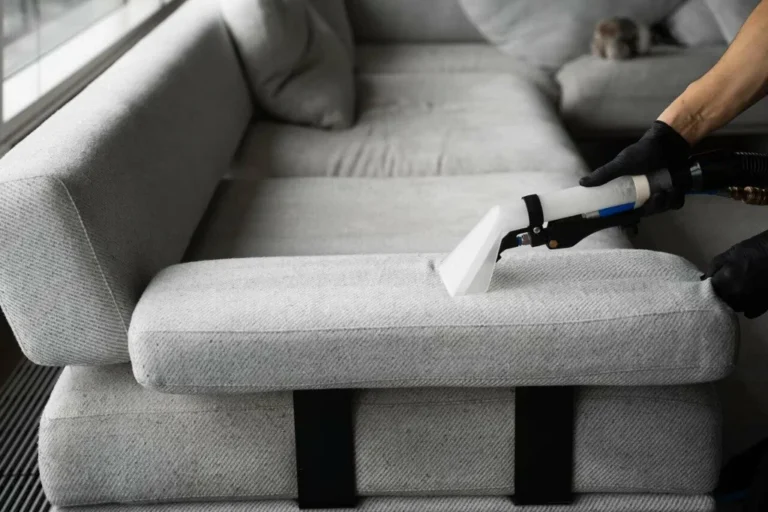
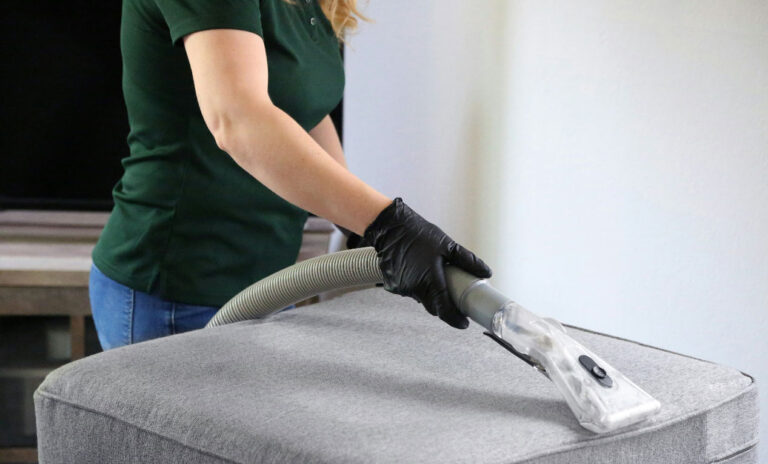
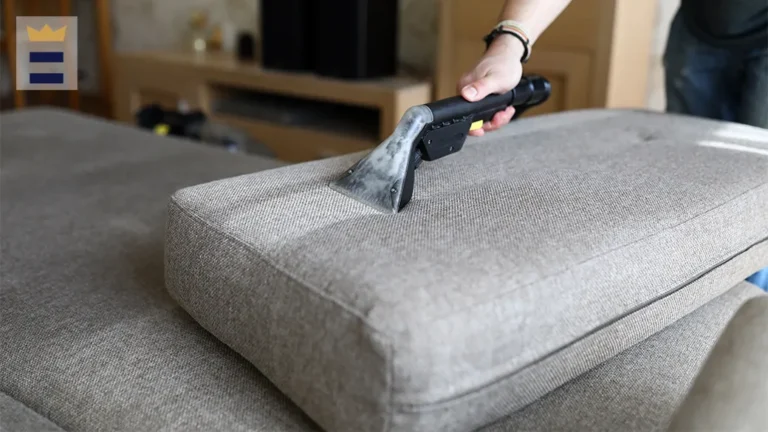
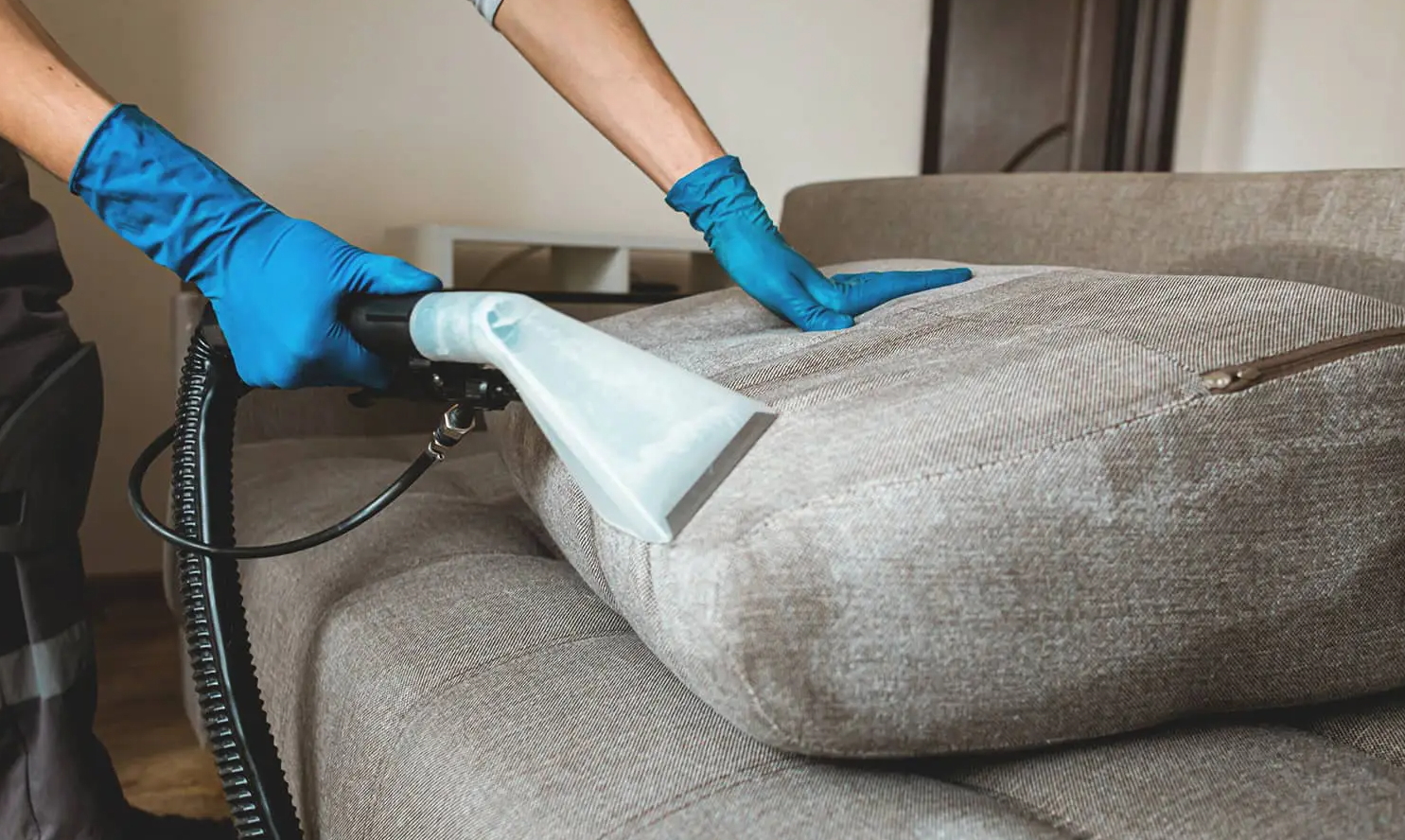
Steam cleaning, technically called hot water extraction, uses superheated water vapor to penetrate sofa fabric, dissolve embedded dirt, and extract it through powerful suction. The machine simultaneously vacuums the moisture back out, pulling dirt, bacteria, body oils, pet dander, and protein-based contaminants.
Benefits of Steam Cleaning for Sofas
Steam cleaning offers a combination of deep extraction and sanitization that no other method can match.
- Deep fiber penetration that reaches contamination buried inside cushion padding, not just the surface
- Genuine allergen removal, including dust mites, pet dander, mold spores, and bacteria
- Improves indoor air quality across the entire living space
- Works brilliantly on synthetic fabrics like microfiber, polyester, and cotton blends
- Completely chemical-free operation, ideal for homes with children, pets, or anyone with respiratory issues.
Downsides and Limitations of Steam Cleaning
Despite its deep cleaning power, steam is not suitable for every sofa or every situation.
- Drying time of 2 to 8 hours, depending on fabric thickness, cushion density, humidity, and airflow
- In humid climates like Dubai, proper ventilation and air movers are essential to prevent mold growth
- Delicate materials such as silk, velvet, and suede can shrink, warp, or lose color
- Requires professional-grade equipment for proper results and to avoid over-saturation
What Is Dry Cleaning for Upholstery?
Benefits of Dry Cleaning for Sofas
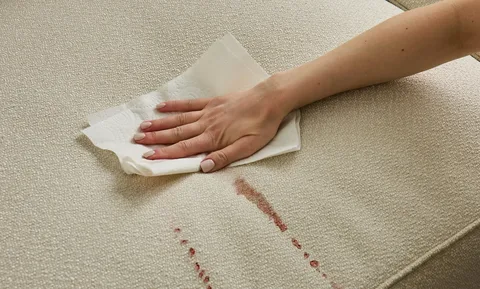
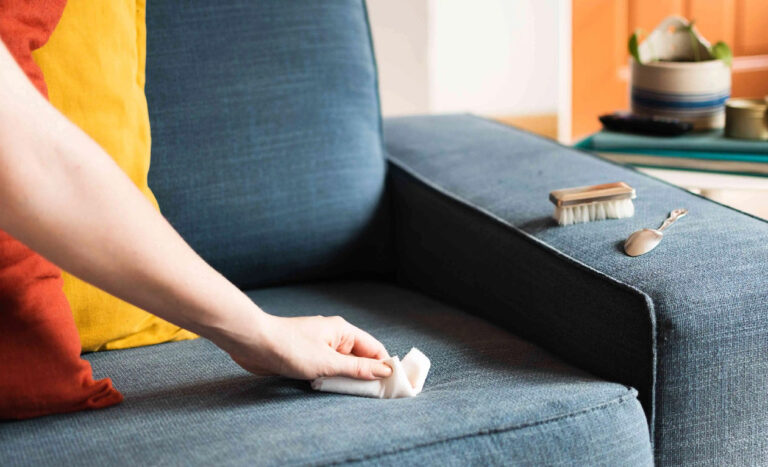
Dry cleaning shines in situations where moisture is the enemy and speed is the priority.- Safe for delicate upholstery, including silk, velvet, suede, chenille, and leather sofa cleaning
- Furniture ready to use again within 30 to 60 minutes with minimal drying time
- Handles oil-based stains and grease marks more effectively than water-based methods
- Zero risk of moisture damage, fabric shrinkage, or color bleeding
- Excellent for maintaining antique furniture and luxury upholstery
Downsides and Limitations of Dry Cleaning
Dry cleaning trades depth for convenience, and that tradeoff comes with real limitations.
- Primarily addresses surface-level contamination and cannot match deep cleaning results
- Does not provide thermal sanitization that kills bacteria and dust mites deep within the padding
- Traditional solvents like perchloroethylene raise concerns about VOC emissions and indoor air quality
- Newer eco-friendly alternatives using silicone-based or liquid CO2 solvents reduce risk but cost more
- Less effective at neutralizing deep odors embedded in cushion foam
What is the Difference Between Steam Cleaning and Dry Cleaning for Sofas?
When compared side by side, steam cleaning wins on depth, sanitization, and eco-friendliness. Dry cleaning wins on speed, fabric safety for delicates, and oil-based stain removal. Here is how each factor stacks up.
1- Depth of Cleaning and Sanitization
Steam cleaning wins here without question. The combination of high temperature and pressurized extraction removes contamination from deep within the upholstery fibers and cushion foam. Dry cleaning freshens the surface effectively but cannot replicate the deep cleaning and bacteria elimination that heat provides.
2- Drying Time and Convenience
Dry cleaning takes this category. With furniture ready in under an hour versus potentially half a day for steam, the convenience factor matters for busy households. Turning on fans, opening windows, or using professional air movers can cut steam cleaning dry times, but the gap remains significant.
3- Chemical Use and Eco-Friendliness
Steam cleaning produces zero VOC emissions and uses only water. Green cleaning advocates consistently prefer it. Dry cleaning solvents, even modern eco-friendly versions, still require energy-intensive manufacturing and careful disposal to avoid soil and water contamination.
4- Cost Comparison
Consumer-grade steam cleaners cost between AED 400 and AED 1,800 for home use. Professional sofa steam cleaning services in Dubai typically run AED 200 to 500 per piece. Dry cleaning services tend to be slightly more expensive due to specialized solvents and equipment. Over time, investing in regular sofa cleaning every 6 to 12 months extends furniture longevity and avoids costly replacements.
Which Cleaning Method Is Best for Your Sofa Fabric?
The fabric determines the method. Synthetic upholstery handles steam perfectly. Delicate natural fibers need dry cleaning. The manufacturer’s cleaning code on the sofa tag is the fastest way to know which is safe.
Type | Best Method | Avoid |
Delicate fabrics (silk, velvet, suede, wool) | Dry or foam cleaning | Steam, water |
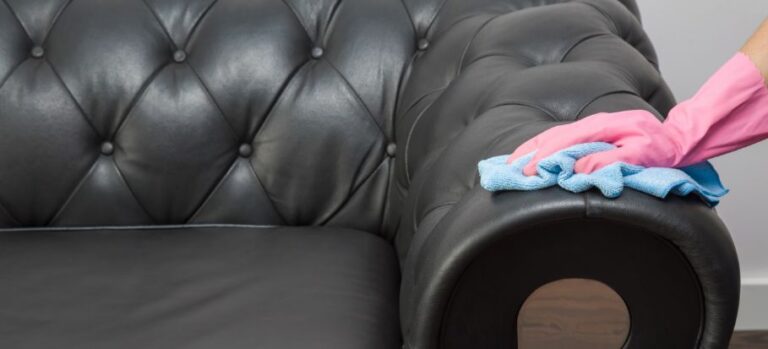
Leather | Leather cleaner + conditioner | Steam, water |
Faux leather | Mild wipe | Steam, soaking |
Allergens & dust | Steam cleaning | Dry cleaning only |
Water stains (coffee, juice) | Steam | — |
Oil stains (grease, makeup) | Dry cleaning | Steam alone |
Pet stains | Enzyme + steam | Steam alone |
Summary!
Choosing between steam cleaning and dry cleaning is not guesswork when the decision is guided by fabric science, stain chemistry, and proper equipment. Every sofa deserves a method matched to its material. For residents across Dubai looking for expert sofa cleaning and deep cleaning services, Churchill Gulf delivers results that protect both the fabric and the health of the household. From steam cleaning to low-moisture dry cleaning and everything in between, the right method applied the right way makes all the difference.