The Ultimate Guide to Sofa Stain Removal: Expert Tips for Coffee, Wine, and Oil
Dish soap, baking soda, and white vinegar remove most sofa stains when applied within the first five minutes. Coffee and tea dissolve with cold water and vinegar. Red wine lifts with salt, while oil and grease need a dry absorbent before any liquid touches the sofa fabric.
In the Dubai climate, sofa stain removal carries extra weight. Humidity above 85% turns untreated upholstered furniture into a breeding ground for dust mites and mold. Treating sofa stains fast protects the sofa fabric, improves indoor air quality, and keeps everyone on that couch healthier. For deep or recurring stains, certified cleaning companies deliver results that household methods cannot match.
Key Takeaways
The 5-Minute Rule: Acting within the first five minutes is critical. Prompt blotting and treating prevent stains from bonding permanently with the fabric fibers.
Know Your Fabric Code: Always check your sofa’s care label (W, S, WS, or X) before applying any liquid. Using the wrong method can cause shrinkage, water rings, or permanent damage.
Avoid Heat on Tannins: Never use hot water on coffee or tea stains. Heat sets tannins into the upholstery, making the marks nearly impossible to remove later.
Dry Before Liquid for Grease: For oil and grease, always use a dry absorbent like cornstarch or baking soda first. Adding water immediately can push the oil deeper into the padding.
Climate Matters in Dubai: In high-humidity environments, untreated stains and deep-seated dust can lead to mold and dust mites. Professional deep cleaning is essential for maintaining indoor air quality.
Table of Contents
ToggleWhat Are the Best Immediate Actions to Remove Stains from a Sofa?
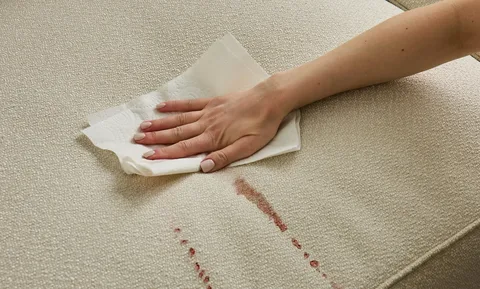
Blotting within the first five minutes determines whether a sofa stain comes out or bonds permanently with the fabric. Every second counts because liquid penetrates deeper into sofa upholstery fibers the longer it sits.
The First 5 Minutes Are Critical
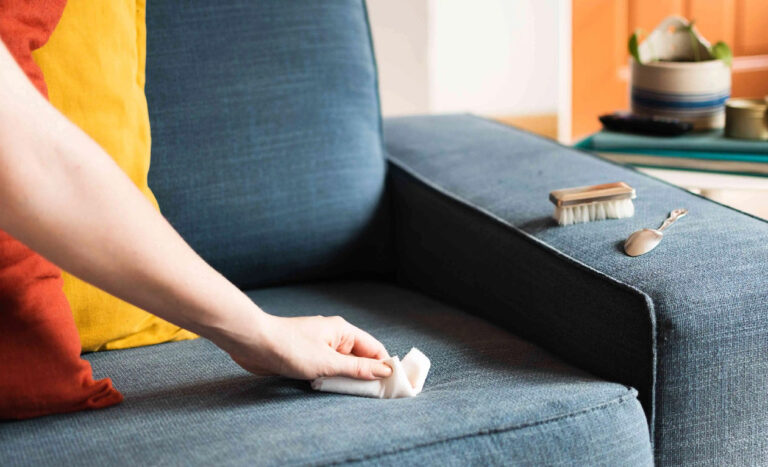
- Blot with a clean white cloth with a gentle press
- Scrape solids with a spoon or butter knife
- Sprinkle cornstarch or baking soda on greasy spills
- Check the sofa care label (W, S, WS, or X) before cleaning
- Vacuum the area first in dusty climates like Dubai
What NOT to Do
- Do not use hot water because heat bonds tannins permanently with sofa fibers
- Do not scrub vigorously because that damages the texture and pushes stains deeper
- Do not use colored cloths because dye transfers onto wet fabric
- Do not skip vacuuming first, especially in Dubai where trapped sand turns a spill into embedded grime
A basic stain-response kit handles 90% of sofa emergencies before they become permanent. Keep these five items within reach at all times: a white microfiber cloth, baking soda, cornstarch, white vinegar, and grease-cutting dish soap.
Which Cleaning Method Is Safe for Your Sofa Fabric?
Every sofa fabric reacts differently to moisture, solvents, and heat. Using the wrong sofa cleaning method causes shrinkage, water rings, or permanent pile damage. This table matches each common upholstery material to its proven safe cleaning approach.
Fabric | Safe Method | Avoid |
Cotton / Linen | Water-based solutions, mild detergent | Over-wetting (causes shrinkage) |
Microfiber | Rubbing alcohol, solvent-based cleaners | Water (leaves water rings) |
Velvet | Dry methods, gentle steaming | Scrubbing (crushes the pile permanently) |
Polyester Blend | Most water and solvent cleaners | Harsh bleach |
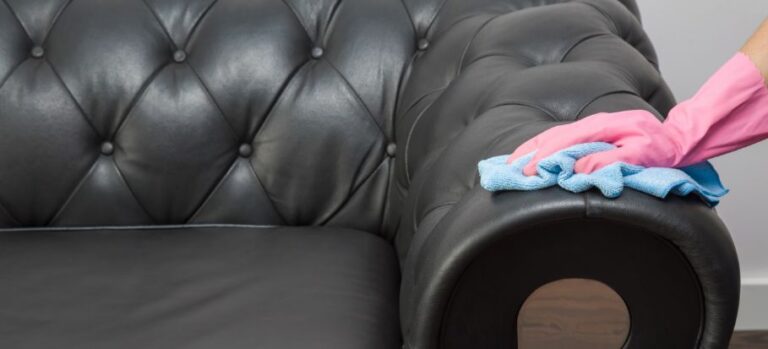
Leather | Damp cloth with mild soap, then leather conditioner | Vinegar, baking soda, and excess water |
Silk | Professional dry cleaning only | Any DIY liquid treatment |
How Do You Remove Coffee Stains from a Fabric Sofa?
Cold water mixed with white vinegar breaks down coffee tannins and lifts the stain from most upholstery fabric and sofas. Never use hot water on coffee, as heat permanently bonds tannins to fibers and sets the stain.
Cold Water and White Vinegar Method
This solution neutralizes tannins without damaging cotton, linen, or polyester blends.
- Mix equal parts white vinegar and cold water in a spray bottle.
- Mist the stained area lightly and let it sit for five minutes.
- Blot with a clean white microfiber cloth until the sofa stain lifts completely.
Baking Soda Paste for Dried Coffee Marks
Dried coffee needs a drawing agent to pull the stain out of deep fibers.
- Combine three tablespoons of baking soda with one tablespoon of cold water to form a thick paste.
- Apply the paste directly onto the dried stain.
- Wait 30 minutes, then vacuum the dried residue with an upholstery attachment.
Enzyme Cleaner for Tea
Milk proteins bind to upholstery fabric differently than tannins, and standard cleaners leave a residue behind.
- Apply an enzyme-based upholstery cleaner according to the product label.
- Let the enzyme solution work for 15 minutes to break apart milk proteins.
- Blot dry with a clean cloth — this method works especially well on cotton and linen.
What Is the Best Way to Get Red Wine Out of a Sofa?
Salt absorbs fresh red wine stains on sofas and prevents the dye from bonding with fabric fibers. Apply a thick layer of table salt within the first few minutes — this is the single most effective emergency response for wine spills on upholstery.
Red wine contains natural pigments and acids that bond with sofa fabric fibers fast. Once that chemical bond sets (roughly 30 minutes), reversing it without professional sofa cleaning becomes extremely difficult.
Salt and Club Soda Rescue
Salt draws moisture out of the fabric while club soda’s carbonation lifts remaining pigment.
- Cover the entire wine stain with a generous layer of table salt.
- Let the salt absorb for 10 minutes, then brush it away.
- Pour club soda over the stain and blot gently with a white cloth.
Vinegar and Dish Soap Combination
This solution works as a second-stage treatment when salt and club soda leave a faint mark behind.
- Mix one tablespoon of white vinegar, one tablespoon of dish soap, and two cups of cold water.
- Dab the stain with a white cloth dipped in the solution, working from the outside edges inward.
- Rinse by blotting with a separate cloth dampened in plain cold water.
How Do You Clean Oil and Grease Stains from Upholstery?
Cornstarch or baking soda applied directly to the sofa grease stain absorbs the oil before it spreads. Never apply water first — oil repels water, and adding liquid pushes the grease sideways into clean fabric. Grease stains require a completely different approach than water-soluble spills.
Cornstarch Absorption Technique
Cornstarch is the safest first-response treatment because it pulls oil from fibers without any chemical reaction.
- Sprinkle a thick layer of cornstarch directly over the grease stain.
- Wait 20 minutes for the powder to draw out the oil.
- Vacuum with a brush attachment and repeat once more if the stain persists.
Dish Soap Spot Clean
Grease-cutting dish soap acts as a surfactant that breaks apart oil molecules after the dry absorption step.
- Mix a few drops of grease-cutting dish soap with warm water.
- Blot the remaining stain gently with a damp microfiber cloth.
- Rinse with filtered water — hard water mineral deposits from Dubai tap water leave marks on fabric.
Rubbing Alcohol for Stubborn Grease
Set-in body oil and cosmetic grease do not respond to soap alone. Rubbing alcohol dissolves these oils without saturating the fabric.
- Dampen a white cloth with rubbing alcohol and blot the stain gently.
- The alcohol dissolves oil without soaking deep into the upholstery padding.
- Follow up with a damp cloth to remove any alcohol residue from the fabric.
How Do You Remove Tough or Old Stains from a Sofa?
A combination of baking soda, white vinegar, and warm water is the most effective DIY sofa cleaning method for old, set-in sofa stains. Sprinkle baking soda first, vacuum the residue, then follow with a vinegar and warm water solution. Rinse with a moist towel and dry thoroughly.
Some stains go beyond household remedies. If you have tried two rounds of cleaning and the mark persists, the stain has penetrated into the padding beneath the fabric. Now the only solution is to hire a sofa cleaner in Dubai.
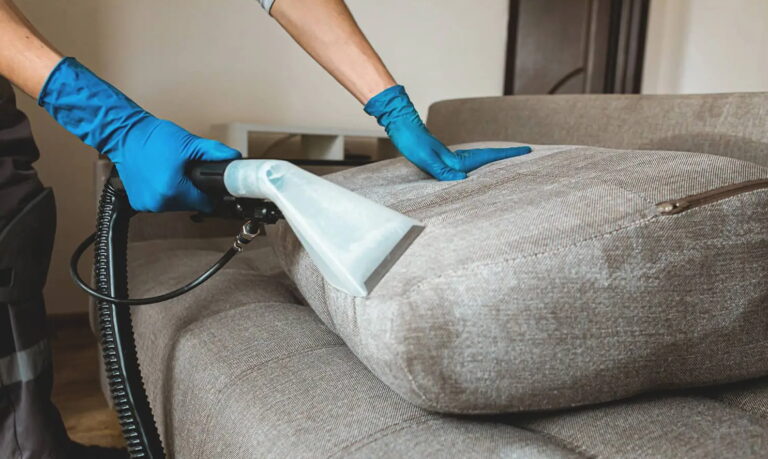
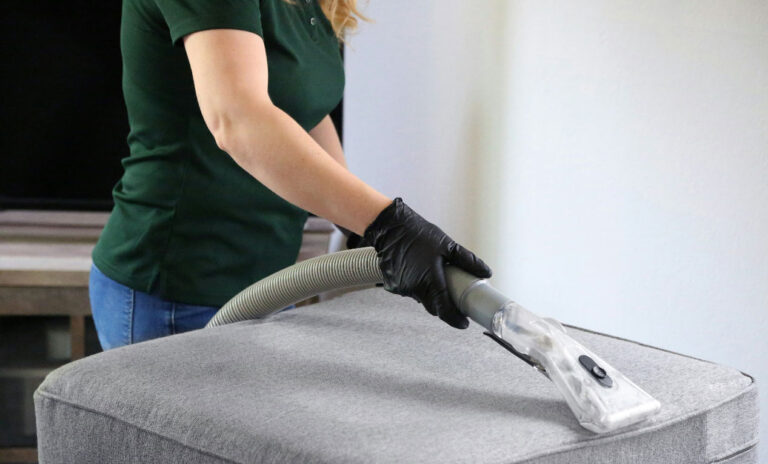
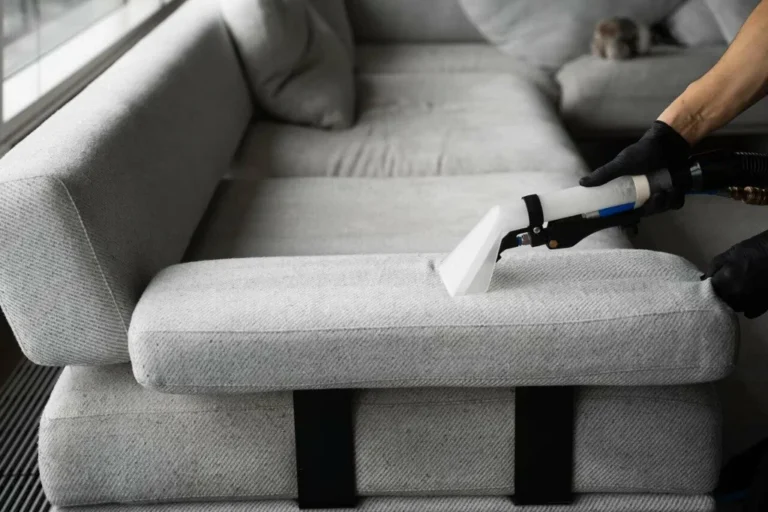
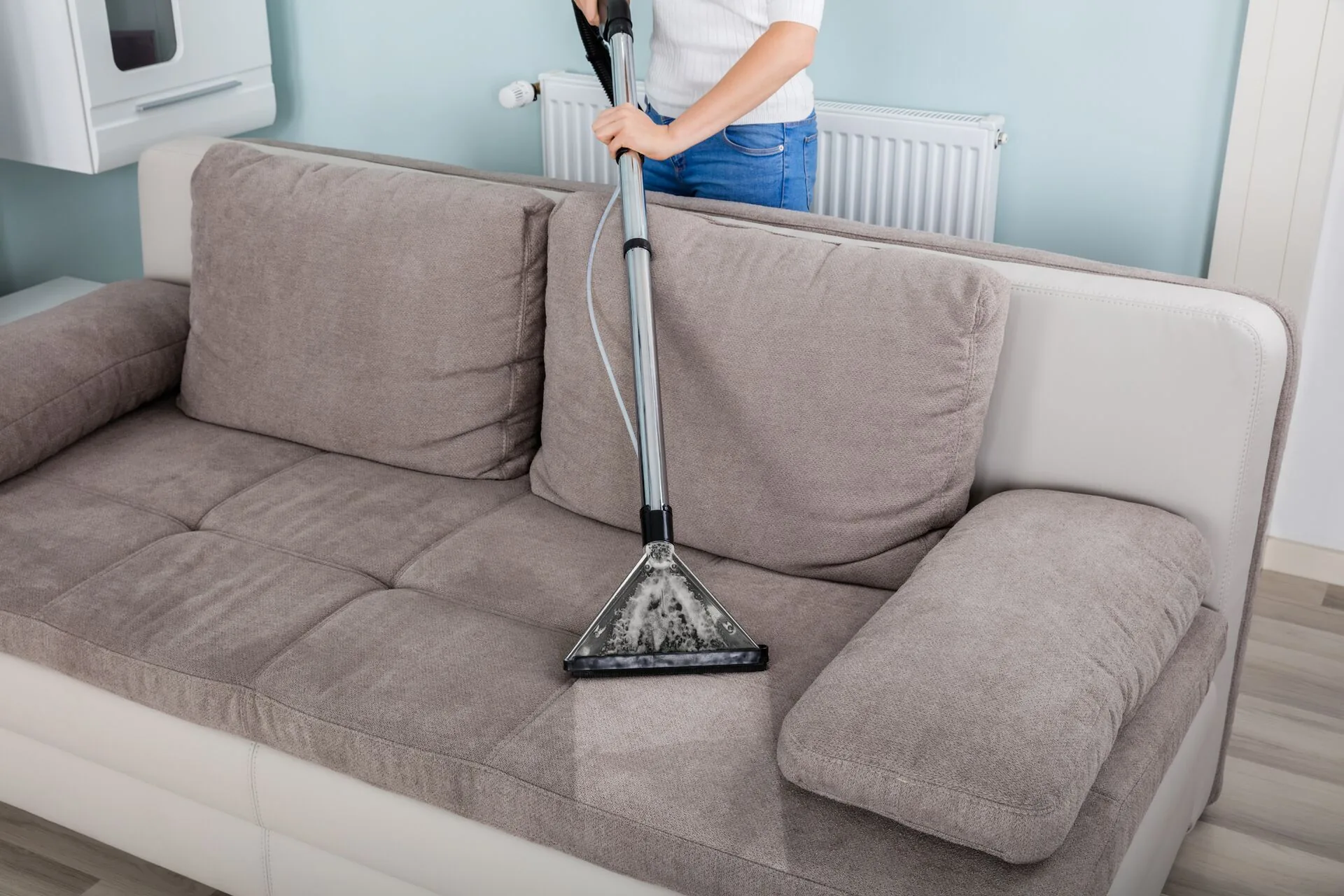
Reliable sofa cleaning services by Churchill Gulf include using hot water extraction equipment and fabric-safe detergents that reach deep into the padding. They also use rapid-dry systems that prevent mold habitat for dust mite allergens.
Call a professional cleaning solution when the stain covers a large area, when the fabric is silk or antique velvet, or when odors persist after cleaning.
Summary!
Your sofa absorbs spills, body oil, desert sand, and humidity every day. Treating stains with the correct sofa cleaning method saves the fabric, protects indoor air quality, and extends the life of your furniture.
For anything beyond a simple spot clean, professional deep cleaning is not a luxury in this climate — it is essential maintenance. If you need certified sofa cleaning specialists in Dubai, Churchill Gulf brings commercial-grade equipment and fabric-safe techniques to your doorstep. Their team understands the unique challenges of upholstery care from sand extraction to humidity-controlled drying.