The Essential Dos and Don’ts of Sofa Cleaning: A Homeowner’s Guide for Dubai Residents
For safe cleaning, always check your upholstery code before touching anything, blot stains instead of rubbing them, and vacuum weekly with a brush attachment. Consult sofa cleaning from a certified company after every 6 months or when the DIY methods fail. Skip bleach, generic sprays, and stop scrubbing wine spills like you are sanding a floor. The right approach is simpler, faster, and far less dramatic than what most people attempt.
Key Takeaways
- Always Check the Cleaning Tag First: Look for the label (W, S, WS, or X) to avoid using water on fabrics that it will ruin.
- Blot Spills Instead of Scrubbing: Use a clean white cloth to press down on stains; rubbing pushes dirt deeper and damages the fabric fibers.
- Vacuum Weekly to Protect Your Health: Dubai’s fine dust trapped in sofas can cause allergies, so regular vacuuming is necessary for clean indoor air.
- Test Any Cleaner on a Hidden Spot: Before cleaning the whole sofa, try your product on a small back corner to ensure it does not bleach the color.
The sofa absorbs body oils, pet dander, food crumbs, and dust every single day. Yet most people treat it like an afterthought until a visible stain forces their hand. In Dubai, where desert dust storms push fine particulate matter indoors year round, this becomes a health concern fast.
Dubai Municipality’s Technical Guidelines (TG 119) identify biological contaminants in soft furnishings as key contributors to poor indoor air. Particles smaller than 11 micrometers carry up to 90% of household allergens, and upholstered furniture traps them deep within its fibers.
Table of Contents
ToggleQuick Dos and Don'ts of Sofa Cleaning
Proper sofa maintenance requires a balance of speed and caution. Follow these essential rules to ensure your cleaning habits protect the fabric while effectively removing allergens and stains.
| Do This | Never Do This |
| Check the cleaning code (W, S, WS, X) first | Grab a random spray and hope for the best |
| Vacuum weekly with a brush attachment | Wait until stains appear to start cleaning |
| Blot spills immediately with a white cloth | Scrub or rub stains into the fabric |
| Spot test every product on a hidden area | Use bleach based cleaners on untested fabric |
| Air dry completely after wet cleaning | Sit on a damp sofa or skip drying |
| Deep clean professionally every 6 to 12 months | Assume vacuuming handles deep seated grime |
How to Clean a Sofa the Right Way without Making Blunders?
Start with your cleaning code, vacuum before any wet treatment, and always work from the gentlest method upward. These cleaning rules prevent most DIY disasters while making your sofa look new.
Always Read the Upholstery Cleaning Code First
Every sofa has a small tag tucked under the cushions or along the frame. W means water based cleaners are safe. S means solvent only and absolutely no water. WS gives you flexibility with either. X means vacuum only and anything beyond that risks damage. Skipping this step is the single most common reason people ruin their upholstery.
Quick Tip: Suede sofas almost always carry an S code. Treat them with dry cleaning solvents only and never let water touch the surface.
Vacuum Before Every Cleaning Session
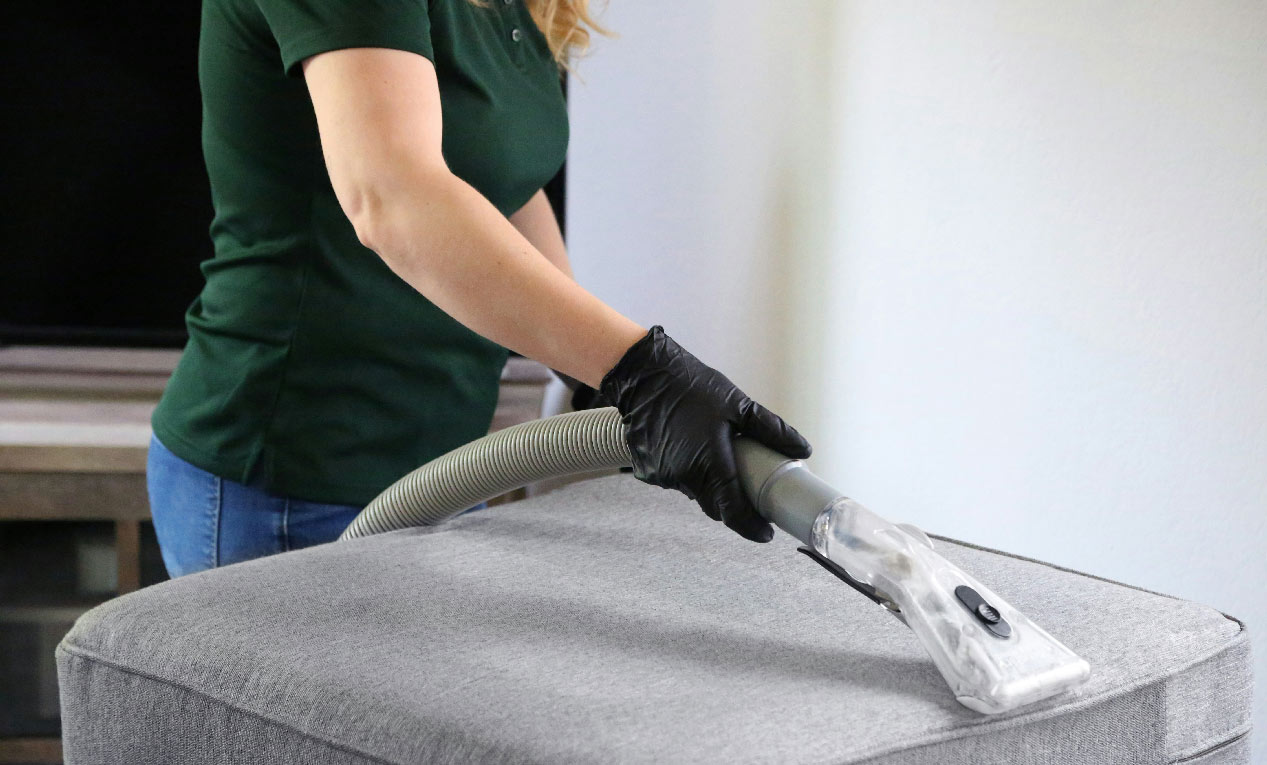
Dust, crumbs, and pet hair sitting on the surface turn into mud the moment you apply any liquid. Use a vacuum with a soft brush attachment and work through every crevice, under the cushions, and along the seams. Make this a weekly baseline habit.
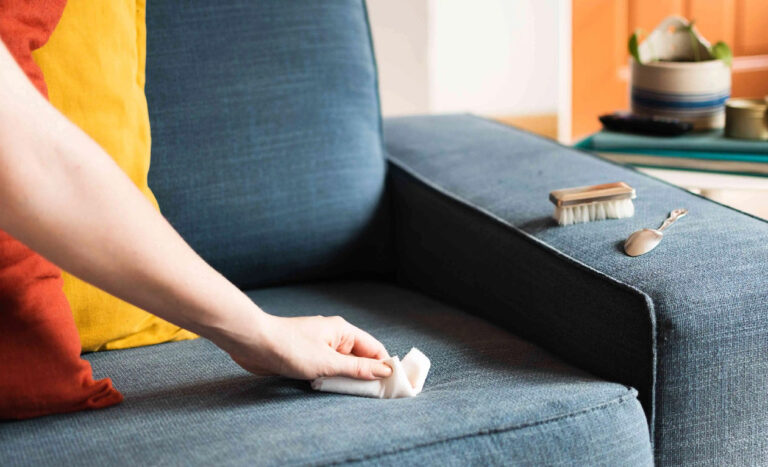
Blot Stains Immediately With a White Cloth
For W coded fabrics, mix two cups of distilled water with one tablespoon of mild dish soap and one tablespoon of white vinegar. Dampen a white microfiber cloth and gently press into the stain without rubbing. Rinse with a separate damp cloth to remove soap residue, which otherwise attracts fresh dirt.
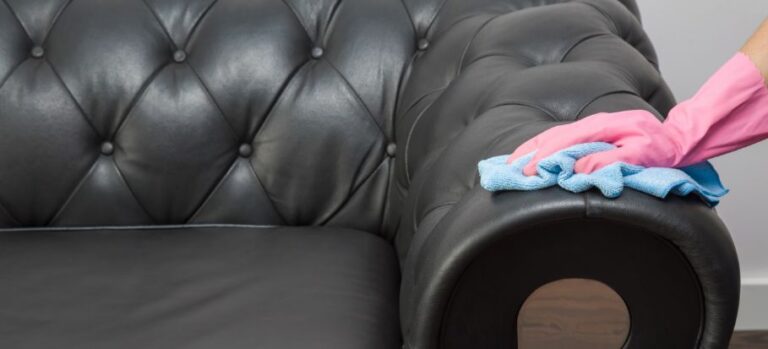
Quick Tip: For leather sofa cleaning, skip vinegar entirely. Use a pH balanced leather cleaner and follow with a conditioner to prevent cracking.
Deodorize With Baking Soda Instead of Perfumed Sprays
Sprinkle baking soda generously over the sofa and let it sit for 20 to 30 minutes. It absorbs odors naturally without introducing chemicals. Vacuum it up thoroughly. Scented sprays merely mask smells and leave sticky residue that collects more dust.
Flip and Rotate Cushions Every Month
Cushions wear unevenly when they stay in one position. Rotating them monthly distributes the compression and keeps the fabric from developing permanent flat spots. This small habit adds years to your sofa’s appearance and comfort.
Quick Tip: Velvet crushes easily. After any cleaning, brush in one direction with a soft bristle tool to restore the nap.
Consult Professional Cleaners When DIY Falls Short
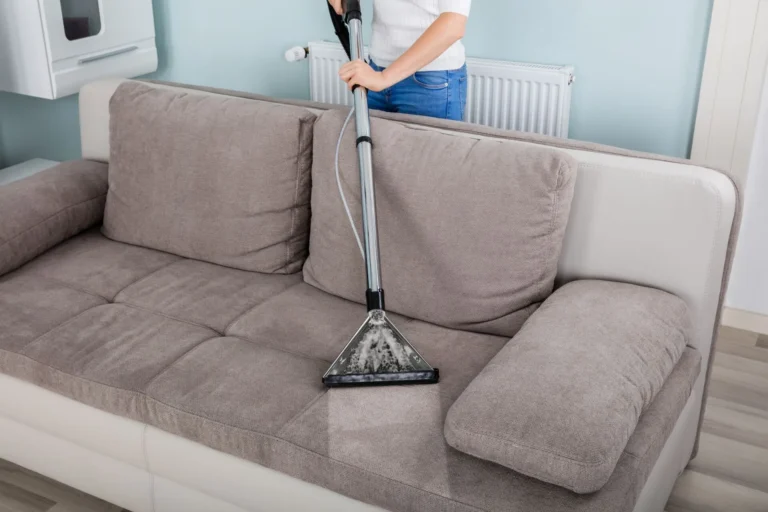
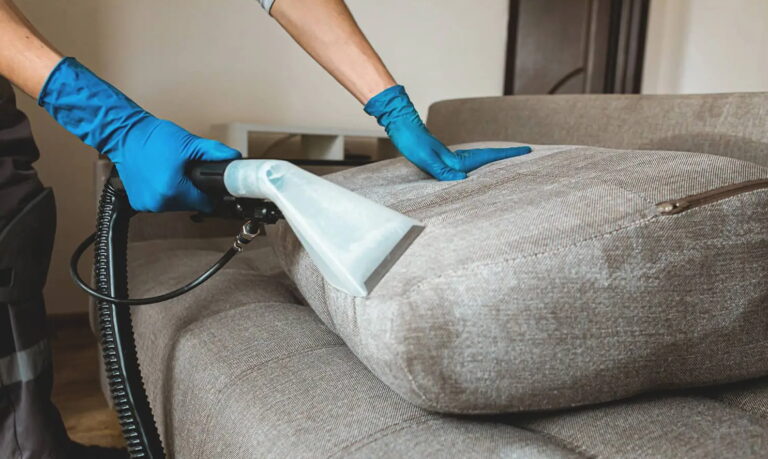
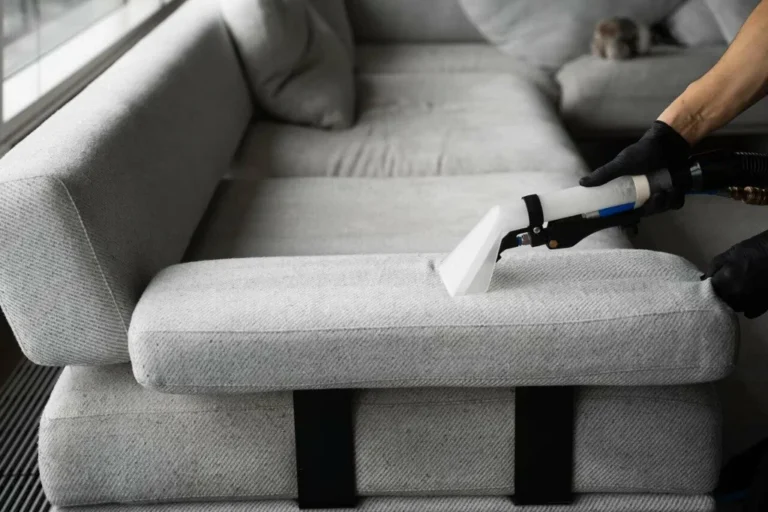
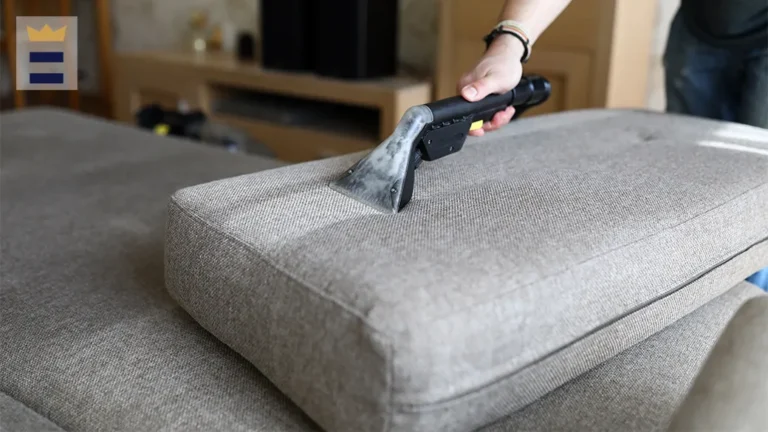
Some situations are beyond household tools. If a stain has sat for more than 48 hours, if your sofa carries an X cleaning code, if mold odors persist after home treatment, or if your upholstery has not been deep cleaned in over a year, bring in professional sofa cleaners. They use low moisture extraction and fabric specific solutions that reach deep into padding without over wetting.
What Are the Most Common Sofa Cleaning Mistakes That Lead to Permanent Damage?
Most sofa damage comes from impatience, over wetting, and wrong products. Less liquid, more patience, and always test first.
Drenching Your Sofa in Water
Excess moisture causes mold growth, water stains, and fabric shrinkage faster than almost any other mistake. If liquid soaks through the upholstery into the foam padding, it creates a damp environment that breeds mildew. The musty odor that follows is nearly impossible to remove without professional extraction. Always use the smallest amount of liquid that gets the job done.
Scrubbing a Stain
The instinct to scrub feels productive, but it is entirely counterproductive. Vigorous rubbing forces the stain deeper into the fibers and spreads it across a wider area. It also damages the weave on delicate materials like velvet, linen, and silk blends. Blot with gentle downward pressure instead.
Skipping the Spot Test
Not every cleaner works on every fabric. Harsh chemicals can bleach dye out of upholstery, leave permanent discoloration, or create water marks that become a new problem entirely. Apply a small amount of any new product to a hidden section and wait ten minutes before going further.
Using Bleach or Ammonia Based Cleaners
These aggressive chemicals strip color from fabric, weaken fibers over time, and leave behind residue that attracts more dirt. Even diluted bleach can cause irreversible spotting on most upholstery types. Stick to mild, fabric safe formulas.
Ignoring the Drying Step
A sofa that stays damp for more than a few hours becomes a breeding ground for mold and bacteria. After any wet cleaning, open windows, turn on fans, and allow the sofa to air dry completely before anyone sits on it. In humid climates, this step is especially critical.
Cleaning During a Dust Storm
This one matters particularly in the Gulf region. Cleaning while fine dust is still infiltrating your space just redistributes particles deeper into the fabric. Wait for the air to settle, then vacuum with a HEPA equipped machine before doing any wet treatment.
Assuming a Clean Looking Sofa Is Actually Clean
Dirt hides. Allergens accumulate invisibly. Body oils break down fibers slowly. Even when the surface looks fine, deep seated grime builds up in the padding and base fabric. Regular maintenance prevents the kind of buildup that shortens your furniture’s lifespan and compromises indoor air quality.
Final Thoughts
Weekly vacuuming, immediate blotting, and seasonal deep cleaning will keep your sofa looking and feeling years younger than its actual age. And when the job calls for more than what home methods can deliver, Churchill Gulf is a reliable cleaning company in Dubai that specializes in fabric safe, eco friendly sofa care built for the region’s toughest conditions. Get deep sofa cleaning for all types of fabrics as we use advanced methods, certified cleaning products and techniques to guarantee 100% satisfactory results.