Who Needs AC Duct Cleaning? A Guide for High-Risk Households
Households with pets, children under five, elderly residents, or allergy and asthma sufferers require professional AC duct cleaning in Dubai.
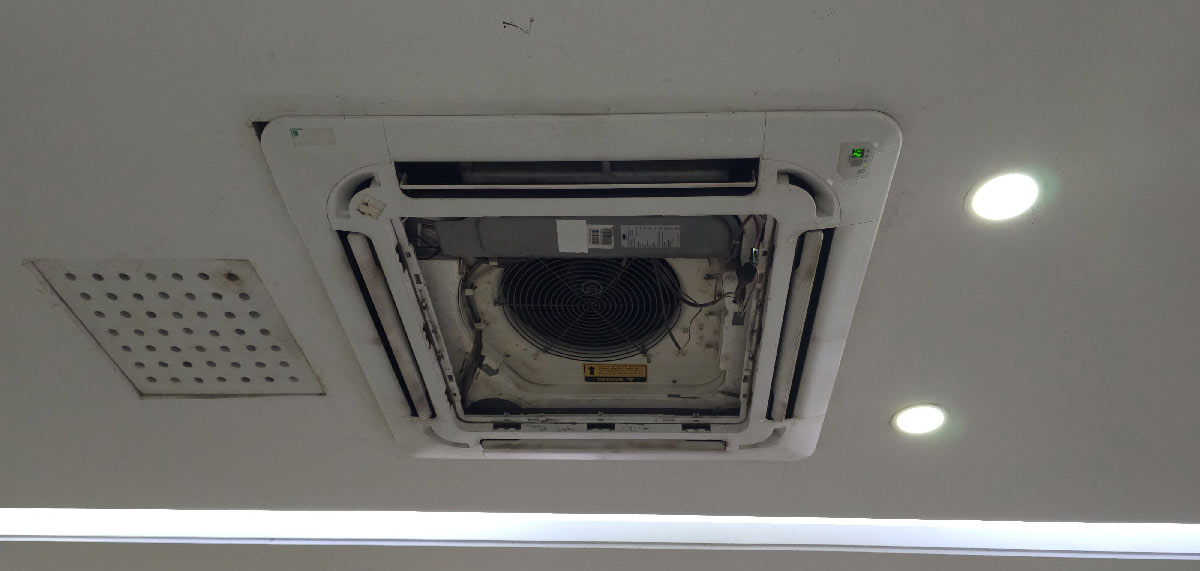
A residential HVAC system does not circulate air through empty pipes. Each day, it recycles indoor air 5 to 7 times, pulling it through return vents, moving it across the blower motor, passing it over the evaporator coil, and distributing it through supply vents into every room. When ducts are contaminated, this cycle repeatedly redistributes pet dander, fine desert dust, dust mites, and mold spores into living spaces.
EPA states indoor air can be up to five times more polluted than outdoor air when HVAC systems aren’t properly maintained. Dubai Municipality inspections suggest that HVAC duct contamination in the UAE runs higher than global averages due to desert dust, humidity, and year-round AC usage.
Table of Contents
ToggleTL;DR
High-Risk Households: Families with pets, children under five, elderly residents, or allergy sufferers require annual cleaning to interrupt the cycle of recirculating indoor pollutants.
Vulnerable Groups: Children are especially at risk as they breathe faster and inhale more airborne contaminants relative to their body weight than adults.
Environmental Factors: Constant AC usage and desert dust in the UAE cause faster debris buildup, requiring more frequent maintenance than global averages.
Diagnostic Signs: Visible dust around vents and musty odors indicate that contamination has settled deep within the system, signaling an immediate need for professional cleaning.
Who Needs Duct Cleaning and When?
AC duct cleaning is not governed by a fixed universal timeline. The rate at which contaminants build up depends on household lifestyle, property size, system design, and environmental exposure. In Dubai, where air conditioning runs almost year-round, accumulation happens faster than many homeowners expect.
Household Type | Recommended Frequency |
Villa with pets | Every 12 months |
Apartment with pets | Every 12–18 months |
Homes with young children | Every 18–24 months |
Allergy or asthma sufferers | Every 12 months |
Standard household | Every 3–5 years |
Dubai/UAE properties | Every 12 months |
Homes near construction or sandstorm zones | Every 6–12 months |
Do You Really Need AC Duct Cleaning? Here's How to Know
Take a moment and look at your air vents right now. Visible dust around grilles, musty odors when the AC starts, or allergy symptoms that worsen indoors are clear indicators of contaminated ductwork. What many people do not realize is that these signs originate deeper inside the HVAC system long before they become visible at the vent.
Villa Owners Face the Biggest Contamination Risk
Larger homes mean longer duct runs and significantly more internal surface area for contaminants to settle. A four-bedroom villa contains far more ductwork than a studio apartment. Every additional meter of duct creates more collection space for dust, pet hair, and moisture-driven microbial growth.
Return ducts in villas are often oversized and pull air from multiple zones, increasing the volume of debris entering the system daily. In Dubai’s climate, where AC systems operate ten to twelve months a year, continuous airflow means continuous particle intake. Sand infiltration during dust storms dramatically accelerates buildup, especially when ducts, insulation, and coils remain damp from condensation.
Apartment Dwellers Share More Than Walls
Apartment residents often assume duct contamination is a villa-only issue, but shared infrastructure changes that reality. Many apartment buildings use interconnected HVAC pathways where contamination from one unit can affect overall indoor air quality.
Air returns frequently pull air from shared corridors, ceiling voids, or common spaces, allowing allergens such as pet dander and fine dust to migrate between apartments. Older buildings are especially vulnerable. A thirty-year-old apartment may have hosted dozens of tenants, each contributing debris to the same duct system.
Filters may be replaced regularly, but duct interiors remain untouched unless professionally cleaned. Without intervention, contamination accumulates across decades.
Pet Owners Need Annual Cleaning. No Exceptions.
Pet ownership changes indoor air quality permanently. Pet dander does not remain on furniture or floors. It is drawn into the HVAC system, where microscopic skin flakes adhere to duct walls, blower housings, and coils.
Standard filters capture only a portion of this material. The remainder bypasses filtration and settles deeper inside the system, where it continues to recirculate. Even after a pet is removed from the home, dander can persist inside ductwork for months.
If previous occupants owned pets, their allergens may still be circulating through your home today. Duct systems act as reservoirs that slowly release allergens back into the air until they are professionally cleaned.
Children’s Developing Lungs Need Cleaner Air
Children breathe faster than adults and inhale more air relative to their body weight. This means they absorb higher concentrations of airborne contaminants circulating through HVAC systems. Young respiratory systems are still developing and lack fully matured defense mechanisms.
Dust mites, mold spores, and pet dander inside duct systems can trigger or worsen asthma and respiratory irritation. This is why homes with children under five benefit significantly from cleaner HVAC airflow pathways, not just surface cleaning.
Allergy and Asthma Sufferers See the Biggest Improvement
Many homeowners with allergies report noticeable symptom improvement within weeks of professional duct cleaning, particularly when allergen buildup is present. This improvement occurs because a primary distribution source of triggers is removed from daily exposure.
Your HVAC system collects pollen, dust mites, mold spores, and pet dander and redistributes them multiple times a day. Cleaning the AC ducts, blower motor, and evaporator coil interrupts this cycle instead of masking symptoms with temporary fixes.
Dubai and UAE Residents Face Unique Challenges
Dubai’s environment creates a perfect storm for duct contamination. Desert sand infiltrates buildings constantly. High humidity promotes mold growth inside ductwork. Year-round AC usage means systems rarely rest, allowing debris to accumulate continuously.
Cleaning specialists in Dubai recommend annual duct cleaning for most residential properties. Villas exposed to frequent sandstorms may require cleaning every six to twelve months, while properties near construction zones may need even more frequent attention.
What Happens If You Skip Duct Cleaning Too Long?
Neglected HVAC systems show significantly higher airborne dust levels during operation. This contaminated air does more than trigger allergies. It reduces system efficiency, increases energy consumption, and shortens equipment lifespan.
Restricted airflow forces the blower motor to work harder, increasing wear and raising electricity bills. Mold growth presents the most serious risk. Once established on duct surfaces or evaporator coils, mold releases spores into the home every time the system runs. Musty odors signal that professional intervention is no longer optional.
At this stage, surface wiping or DIY vacuuming cannot resolve the problem.
Hire Professional Duct Cleaning Before it’s too Late
Pet dander, dust mites, mold spores, and fine Dubai sand do not sit passively inside ducts. They are pulled through return vents, pass the blower motor and coils, and are redistributed throughout your home every day. The longer contamination is ignored, the deeper it settles into duct walls and HVAC components, where surface cleaning becomes ineffective.
Homes with these risk factors require annual duct cleaning, while standard households may extend closer to three to five years. For comprehensive AC duct cleaning services in Dubai. Churchill Gulf integrates seamlessly into long-term HVAC care without disrupting daily life.