The Hidden Health Dangers of Dirty Carpets: What You Need to Know
Dirty carpets trap bacteria, mold, dust mites and allergens that trigger respiratory problems, skin infections, stomach issues and weakened immunity. Carpets contain thousands of bacteria per square inch, causing many health issues.
The American Lung Association warns that carpets act like giant filters, trapping everything from outdoor pollutants to indoor contaminants. But unlike regular filters, most people forget to clean them properly. In regions like Dubai and the UAE, where extreme humidity, frequent sandstorms, and year-round air conditioning create unique challenges, carpets accumulate contaminants even faster. This makes professional carpet cleaning important to get rid of persistent allergies and health risks.
Table of Contents
ToggleThe 7 Major Health Risks of Contaminated Carpets
Neglected carpets attack your health through multiple pathways. The damage happens silently until symptoms appear, and everyone at home starts feeling unwell without knowing why.
1- Breathing Problems That Won’t Go Away
Every time someone walks across your carpet, tiny particles shoot up into the air. You can’t see them, but you’re breathing them in constantly.
What builds up in your carpet
- Dust and dust mite droppings
- Mold spores from humidity and spills
- Pet dander and outdoor pollen
- Fine sand and construction dust
How it affects you
- Asthma attacks become more frequent and severe
- Constant coughing that won’t go away
- Wheezing and shortness of breath
- Kids get more chest infections than usual
Children are at the highest risk because they play on the floor and breathe closer to where all these particles live. The National Center for Healthy Housing found a direct link between dirty carpets and increased respiratory infections in kids. If your child seems to always have a runny nose or cough, your carpet might be part of the problem.
2- Allergies That Never Stop
Think about how much stuff your carpet collects every single day. Pollen comes in on shoes and clothes. Pet hair falls constantly. Dust settles from the air. All of this gets trapped deep in the fibers, and regular vacuuming barely touches it.
Common allergens hiding in carpets:
- Dust mites (tiny bugs that feed on dead skin cells)
- Pet hair and skin flakes from cats and dogs
- Pollen from trees, grass, and flowers
- Cockroach droppings and body parts
What you’ll notice:
- Sneezing fits that happen out of nowhere
- Itchy, watery eyes every morning
- Stuffy nose that never clears up
- Symptoms that get worse right after vacuuming
Here’s something many people notice: their allergies mysteriously improve when they go on vacation, then come roaring back the moment they return home. That’s what your carpet is doing.
3- Skin Problems You Can’t Explain
Bacteria and fungi love living in carpets. They feed on organic matter, multiply in the moisture, and wait for someone to make contact. Walking barefoot or letting kids play on the floor gives these germs direct access to your skin.
Common carpet bacteria and fungi:
- Staphylococcus aureus (staph bacteria that causes skin infections)
- MRSA (antibiotic-resistant staph strains)
- Athlete’s foot fungus
- Ringworm and other skin fungi
Symptoms to watch for:
- Rashes that appear for no reason
- Eczema that flares up and won’t calm down
- Itchy skin that creams don’t help
- Athlete’s foot that keeps coming back
- Small infections around cuts or scratches
If you or your kids keep getting skin problems that don’t respond to normal treatments, the source might be living in your carpet. These infections often resist treatment because you’re being re-exposed every single day.
4- Your Immune System Running on Empty
Your body fights off germs constantly. That’s normal and healthy. But when your carpet is loaded with bacteria, mold, and allergens, your immune system never gets a break. It’s like running a marathon every day instead of taking a walk.
Who gets hit hardest:
- Young children still building their immune systems
- Elderly family members with weakening immunity
- Anyone with existing health conditions
- People recovering from illness or surgery
Warning signs:
- Catching every cold and flu that goes around
- Taking forever to recover from minor illnesses
- Constant tiredness that sleep doesn’t fix
- Getting sick 4-5 times per year or more
When your immune system is constantly fighting carpet contaminants, it has less energy to fight real threats like viruses and bacteria from outside your home.
5- Stomach Bugs from Your Floor
This surprises most people, but it’s backed by solid research. Dangerous bacteria that cause food poisoning can survive in your carpet for months or even years.
Foodborne bacteria hiding in carpets:
- E. coli (lives up to 8 weeks in carpet fibers)
- Salmonella (survives for up to 2 years)
- Norovirus (stays infectious for 4-6 weeks)
- Campylobacter (often from pet accidents)
How you get infected:
- Food dropped on the carpet picks up bacteria instantly
- Toddlers who put toys and hands in their mouths after touching the floor
- Tracking bacteria from shoes worn outside
- Pet accidents that get “cleaned” but still harbor germs
Carpets can harbor a variety of harmful bacteria, including those that cause foodborne illness. Young children are especially vulnerable because they crawl on floors, drop food, and constantly put things in their mouths. If your family seems to get stomach bugs frequently, your carpet could be spreading the infection.
6- Mold Growing Where You Can’t See it
Spilled drinks, pet accidents, leaky air conditioning, high humidity—any moisture that reaches your carpet can start mold growth. The scary part? It usually happens in the padding underneath, where you can’t see it until health problems start.
Where mold hides:
- Under carpet padding after spills
- Near air conditioning units that leak
- Around potted plants with drainage
- In bathrooms with carpet mats
- Anywhere humidity stays above 60%
Health effects of mold exposure:
- Respiratory infections that won’t heal
- Allergy symptoms that seem severe
- Flu-like symptoms with no actual flu
- Headaches and difficulty concentrating
- In severe cases, neurological problems
The Environmental Protection Agency (EPA) warns that mold releases spores into the air constantly. You breathe them in without knowing. Some mold species, like black mold (Stachybotrys chartarum), produce toxic compounds that can seriously harm your health over time.
7- Dangerous Bacteria Colonies
Your carpet right now contains bacteria that can cause serious illness. They come into your home on shoes, through pets, and from food spills. Then they multiply in the warm, organic-rich environment of your carpet fibers.
Harmful bacteria commonly found:
- MRSA (antibiotic-resistant staph infections)
- Clostridium perfringens (causes severe food poisoning)
- Various strains of E. coli and Salmonella
- Pseudomonas (thrives in wet carpets)
These aren’t just theoretical risks. Studies published by the American Society for Microbiology consistently find these pathogens in normal household carpets. Homes with pets, young children, or frequent visitors have even higher contamination levels.
How to Protect your Family from Carpet Health Hazards?
You don’t need to rip out all your carpets or clean them every day. What you need is a smart, consistent approach that actually removes the health hazards instead of just moving them around.
1- Schedule Professional Deep Cleaning Regularly
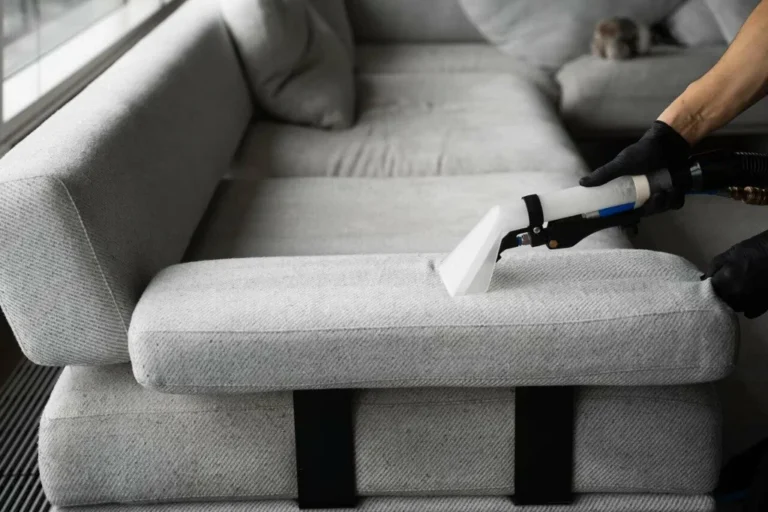
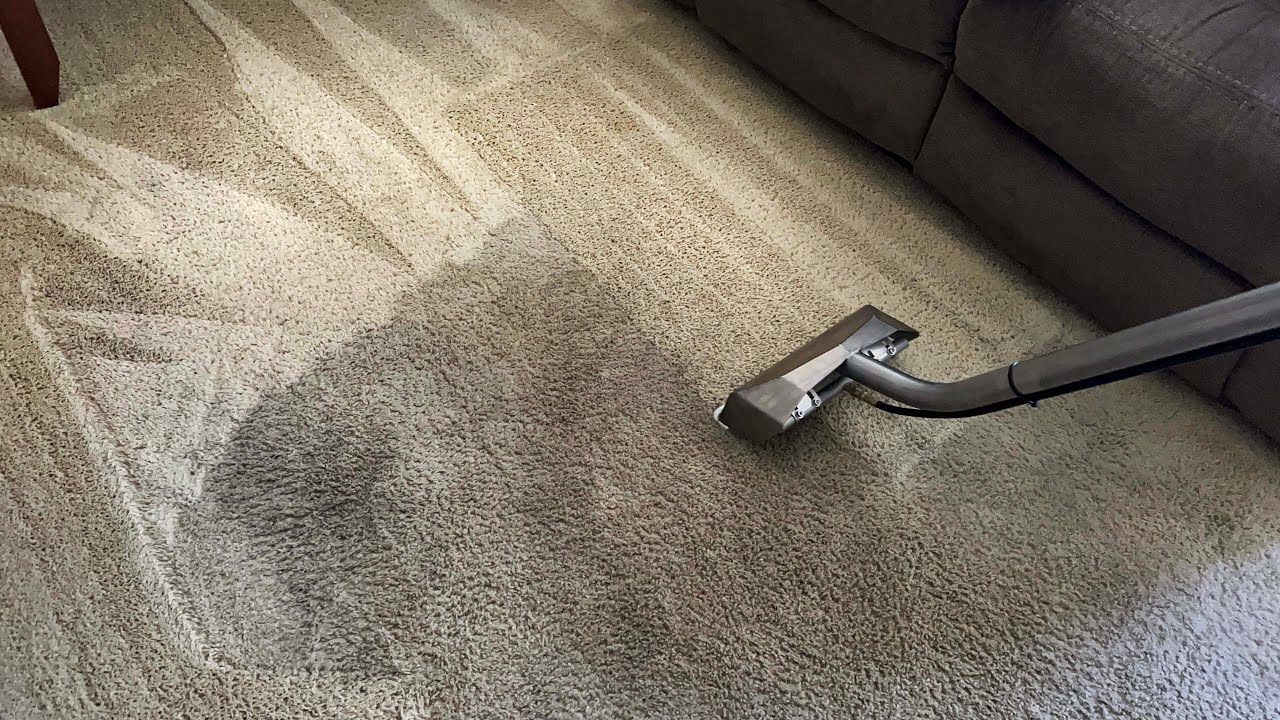
Hot water extraction reaches deep seated dirt, bacteria and allergens that household vacuums cannot touch. Professional carpet cleaning eliminates mold, destroys dust mite populations and restores carpet fibers to a healthy condition. Scheduling service every six months keeps health hazards under control year round. Families with pets, young children or allergy sufferers benefit from quarterly professional attention.
2- Upgrade Your Vacuuming Approach
Standard vacuums often push fine particles back into the air rather than capturing them. Switching to a HEPA filter vacuum traps allergens and contaminants effectively. Vacuuming high traffic areas twice weekly prevents dirt accumulation from reaching problematic levels. Moving furniture quarterly to clean hidden zones eliminates buildup in forgotten areas where bacteria colonies establish themselves.
3- Handle Spills and Stains Immediately
The longer a spill and stains sit on carpets, the harder it is to remove. This can cause lasting damage or mold growth. That’s why you must remove the stains from carpets immediately. Use a blotting method to absorb the spill, and treat stains with the appropriate cleaning agents. Contact professional cleaners for persistent stains or tough spots.
4- Control Indoor Humidity Levels
Maintaining humidity between 30 and 50 percent creates conditions where dust mites struggle to survive, and mold cannot establish colonies. Running dehumidifiers in bedrooms and living areas during humid months provides noticeable improvement in both carpet condition and family health symptoms.
Final Thoughts
Dirty carpets do far more damage than ruining your home’s appearance. They actively harm family health through respiratory problems, allergic reactions, bacterial infections and immune system strain. The contaminants hiding in carpet fibers affect everyone but pose serious dangers to children, the elderly and health compromised family members.
Don’t wait for health issues to arise. Let Churchill Gulf help you protect your loved ones and extend the life of your carpets. Schedule your carpet cleaning in Dubai today.