Landlord vs Tenant: Who is Responsible for Kitchen Deep Cleaning in the UAE?
Kitchen deep cleaning in the UAE falls on the tenant to move out when the kitchen shows grease, stains, odors, or hygiene issues. Tenants must return the unit in the same condition as move in, excluding fair wear and tear. Landlords stay responsible for structural defects and major maintenance, but cleanliness and restoration to inspection ready conditions sit with the tenant unless the tenancy contract shifts that duty.
Dubai handovers in areas like Dubai Marina, Downtown, and JVC make this issue constant. Most disputes start with one word cleaning issues, because one side expects a wipe down and the other expects a reset level deep clean.
Table of Contents
ToggleTL;DR
You are responsible for removing grease, carbon deposits, and grime; failing to do so often results in security deposit deductions of AED 2,000 to 3,000.
Issues like burned stovetops, grease-caked extractor fans, and moldy refrigerator seals are classified as poor maintenance rather than “fair wear and tear.”
If an area is visible and reachable without tools—such as AC vent covers, oven interiors, and the floor behind appliances—the inspector expects it to be clean.
Many Ejari contracts specifically require a professional cleaning invoice as legal proof that you have restored the property to the required standard.
To protect yourself, take timestamped photos during move-in and schedule your professional deep clean 24 to 48 hours before the final handover inspection.
What does the UAE Rental Law say about Cleaning when Moving Out?
Tenants must return the property in its original condition, while landlords must deliver a habitable space at the start of the tenancy. This legal framework is established under Dubai’s Law No. 26 of 2007, Articles 16, 19, and 21, which govern tenant and landlord obligations.
What landlords must provide at move-in?
Article 16 requires landlords to hand over properties that are fully habitable and fit for their intended purpose. This means when you sign your Ejari contract and collect your keys, the kitchen should already be clean, functional, and safe to use. Landlords cannot expect tenants to accept properties with filthy ovens, grease buildup, or pest infestations.
What tenants must do before moving out?
Articles 19 and 21 place the burden on tenants to maintain the property and return it in its original state. This includes kitchen deep cleaning, repairs of any tenant-caused damage, and ensuring all appliances are functional. The only exception is normal wear and tear, which the law recognizes as unavoidable deterioration from regular use over time.
What counts as normal wear and tear in a kitchen?
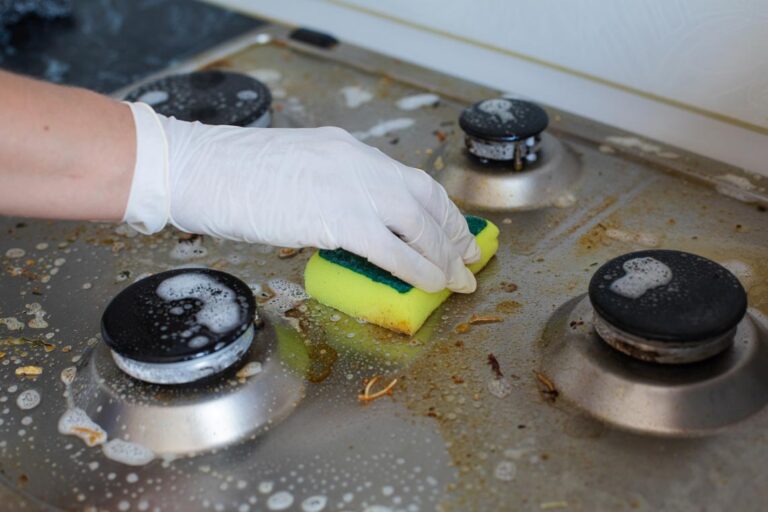
Minor scratches on tile grout, slight discoloration of countertops from daily cooking, or normal aging of cabinet finishes fall under fair wear and tear. Burned stovetops, grease-caked extractor hoods, limescale buildup inside kettles, mold in refrigerator seals, and food residue baked onto oven interiors do not. These issues result from inadequate maintenance and cleaning, which makes them the tenant’s responsibility to address before handover.
Which parts of the kitchen cause the most problems during handover?
The extractor hood, oven interior, areas behind appliances, and AC vents are the most common reasons for security deposit deductions during handover. These zones collect hidden buildup that routine cleaning misses, but inspectors always check closely.
Grease and hard to reach areas
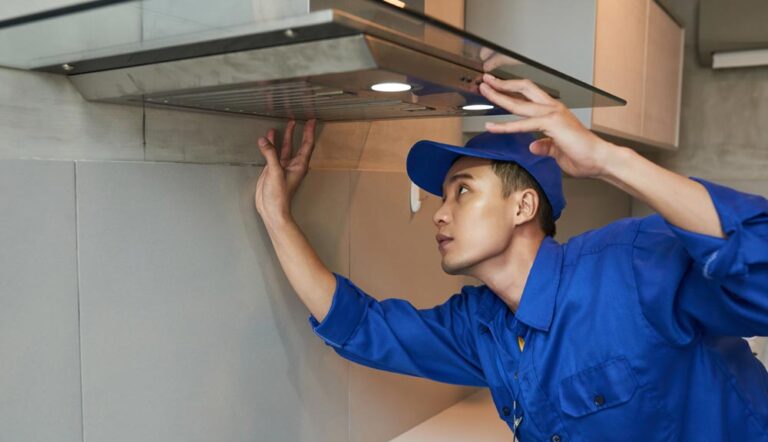
Extractor hoods collect months or years of cooking oil that turns into thick, sticky layers. Inspectors check inside the hood casing, on the filters, and around ventilation openings because grease increases fire risk and attracts pests.
Behind refrigerators, cookers, and washing machines, dust mixes with kitchen moisture and grease, creating stubborn residue on walls and floors. Oven interiors also fail inspections when carbon deposits remain on racks, fan covers, and door seals, since these require more than basic wiping or self clean cycles.
Kitchen duct cleaning
Kitchen AC vents collect dust mixed with cooking vapors, which can include grease particles over time. Cleaning vent covers, grills, and visible openings is considered part of tenant cleaning because these areas are accessible and directly affected by daily use.
Deep kitchen duct cleaning, internal system servicing, and mechanical maintenance fall under landlord responsibility. A simple rule applies during handover: if the area is visible and reachable without tools, inspectors expect it to be clean.
Pest control clearance and hygiene standards
Kitchen hygiene affects pest clearance during handover in Dubai. Food residue, grease buildup, or moisture around appliances creates conditions that fail hygiene checks required before a new tenant moves in.
When kitchens fail these checks, landlords often deduct pest control charges along with additional cleaning costs from the deposit. Tenants regularly lose between 2,000 and 3,000 AED when poor kitchen condition triggers pest treatment.
Do you need to hire professional cleaners or can you clean the kitchen yourself?
A surface clean won’t meet the contractual standard of original condition that most Ejari agreements require. Dubai’s competitive rental market and high property standards mean landlords expect professional cleanliness at handover.
The Ejari contract you signed at move-in serves as your legal baseline. Many contracts include specific clauses requiring professional cleaning services or stating that properties must be returned in “satisfactory condition as determined by the landlord.”
Professional cleaning companies in Dubai approved by Dubai Municipality provide invoices and certificates that serve as legal proof you’ve fulfilled your contractual obligations.
When should you schedule the kitchen cleaning before moving out?
Schedule your professional deep clean for 24 to 48 hours before your official handover appointment. This timing ensures the property stays pristine for inspection while giving you a buffer to address any overlooked issues the cleaning team identifies.
Start conversations with your landlord or property management company at least 30 days before your planned move-out date. Confirm their specific expectations for kitchen condition, ask whether they require professional cleaning invoices, and request a preliminary inspection if possible.
Final Words
Kitchen deep cleaning is one of the most common reasons tenants lose part of their security deposit in the UAE. Dubai rental law, Ejari contracts, and real handover practices all point to one standard. The kitchen must be returned in the same clean, usable condition as move-in, excluding fair wear and tear.
Most disputes can be avoided with early planning, clear communication, and proper documentation. Treat kitchen deep cleaning as a required handover step, not an optional extra, and you protect both your time and your money.
Don’t gamble with your security deposit. Let Churchill Gulf’s move-out specialists handle the handover cleaning for you.